
Burnout on college campuses isn’t always obvious. It often affects high-achieving students, leaders, and those heavily involved in campus life who are quietly managing overwhelming schedules and constant pressure to succeed. As expectations continue to rise, many students lack the tools to balance stress in a healthy, sustainable way. Colleges are beginning to recognize that leadership development goes beyond performance. It requires resilience, energy management, and overall well-being. Here are five key signs your campus may be experiencing student burnout and how the right leadership and wellness programming can help.
1. Students Are Constantly Talking About Being Overwhelmed
If “I’m exhausted” or “I’m so stressed” has become the default conversation among students, it’s often a signal that burnout is spreading.
Many students are juggling:
- Full course loads
- Leadership roles in organizations
- Part-time jobs
- Internships and career preparation
- Social expectations
Without healthy systems to manage stress and recovery, students often operate in survival mode for entire semesters.
Bringing in a college leadership speaker who focuses on resilience and wellness can help students learn how to manage pressure in healthier ways before burnout takes hold.
2. High-Achieving Students Are Struggling the Most
One of the biggest misconceptions about burnout is that it affects struggling students.
In reality, it often affects high-performing students first.
Student leaders, honors students, and highly involved campus participants tend to carry the most responsibility. These students are ambitious and motivated, but they’re also the ones most likely to overload their schedules.
When campuses invest in leadership-focused wellness programming, they help these students develop skills like energy management, emotional awareness, and sustainable performance.
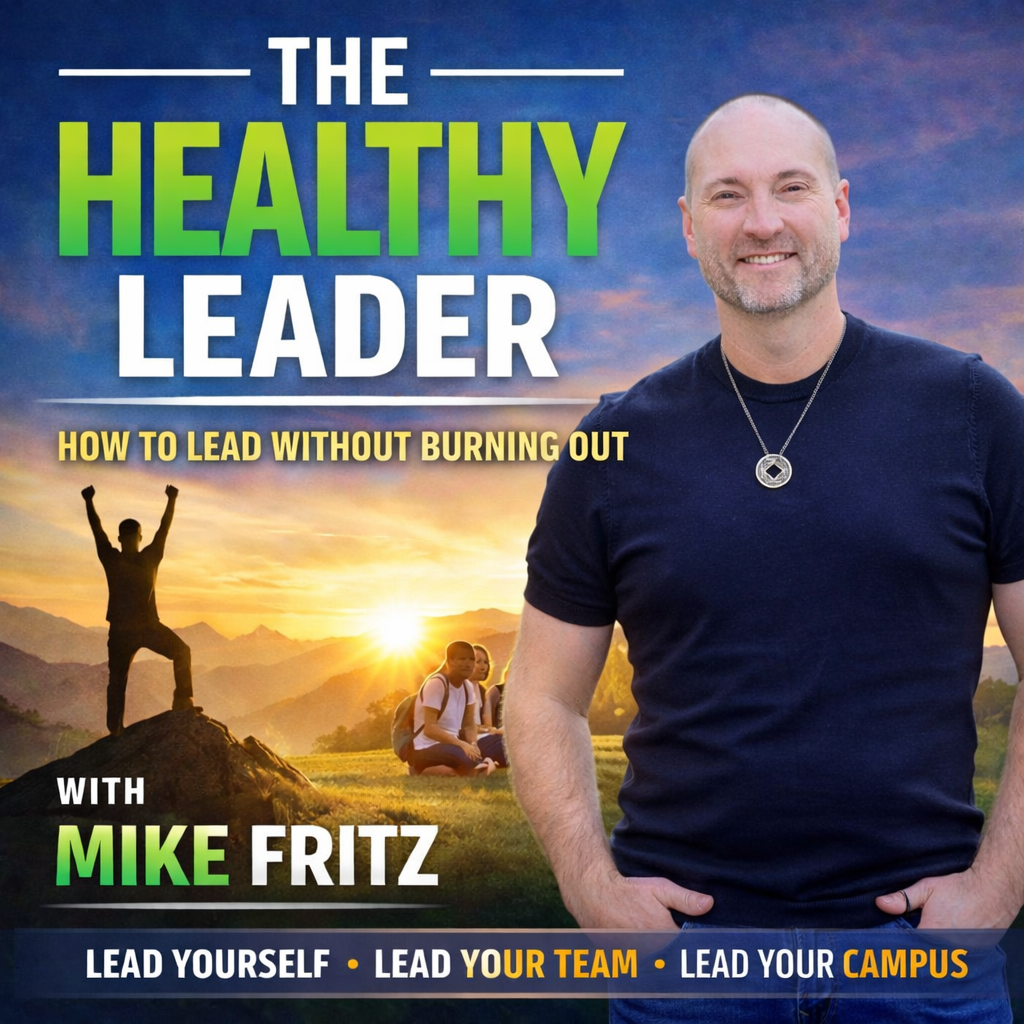
Programs like The Healthy Leader, offered through Neon Entertainment, are designed specifically to address this challenge.
3. Advisors and Campus Staff Are Seeing Increased Stress
Academic advisors, residence life staff, and student affairs professionals are often the first to notice when student stress levels rise.
- They hear the concerns during advising meetings.
- They see students struggling to balance commitments.
- They watch burnout affect engagement and academic performance.
While campus professionals work hard to support students, they can’t solve every problem alone.
Student wellness programs and leadership workshops provide additional tools that help students take ownership of their well-being while still pursuing ambitious goals.
4. Student Engagement Is Dropping
Burnout doesn’t just affect individual students. It can affect the entire campus culture.
Students who feel overwhelmed often withdraw from activities, skip meetings, or disengage from organizations they once loved.
This can lead to declining participation in student organizations, leadership programs, and campus events.
Well-designed student wellness speaker programs help students rediscover motivation while learning healthier strategies for balancing commitments.
5. Leadership Development Programs Feel Incomplete
Many colleges offer leadership training that focuses on skills like communication, teamwork, and strategic thinking.
Those are important skills but, they’re only part of the equation.
True leadership development also requires:
- Emotional resilience
- Stress management
- Energy management
- Healthy habits for long-term success
Without those foundations, even talented leaders can struggle to sustain their performance over time.
That’s why many campuses are expanding their leadership initiatives to include wellness-focused programming.
How a College Leadership Speaker Can Make an Impact
A strong campus speaker program doesn’t just motivate students for an hour—it gives them practical tools they can apply immediately.
Programs like The Healthy Leader, presented through Neon Entertainment, help students learn how to:
- Recognize the early signs of burnout
- Manage stress more effectively
- Maintain energy during demanding academic schedules
- Build healthier routines that support long-term success
- Lead others without sacrificing their own well-being
When students develop these skills early, they’re better prepared not only for college leadership roles but also for their future careers.
Supporting Student Success Beyond the Classroom
Colleges today are focused on preparing students for life after graduation. Academic knowledge is important, but so is the ability to navigate stress, pressure, and responsibility.
Student wellness programs help bridge that gap by giving students the tools they need to succeed both personally and professionally.
If your campus is looking to support student well-being while strengthening leadership development, bringing in a campus speaker can be a powerful step.
Learn more about the Healthy Leader campus program and other leadership and wellness speakers available by contacting an agent at Neon Entertainment.